
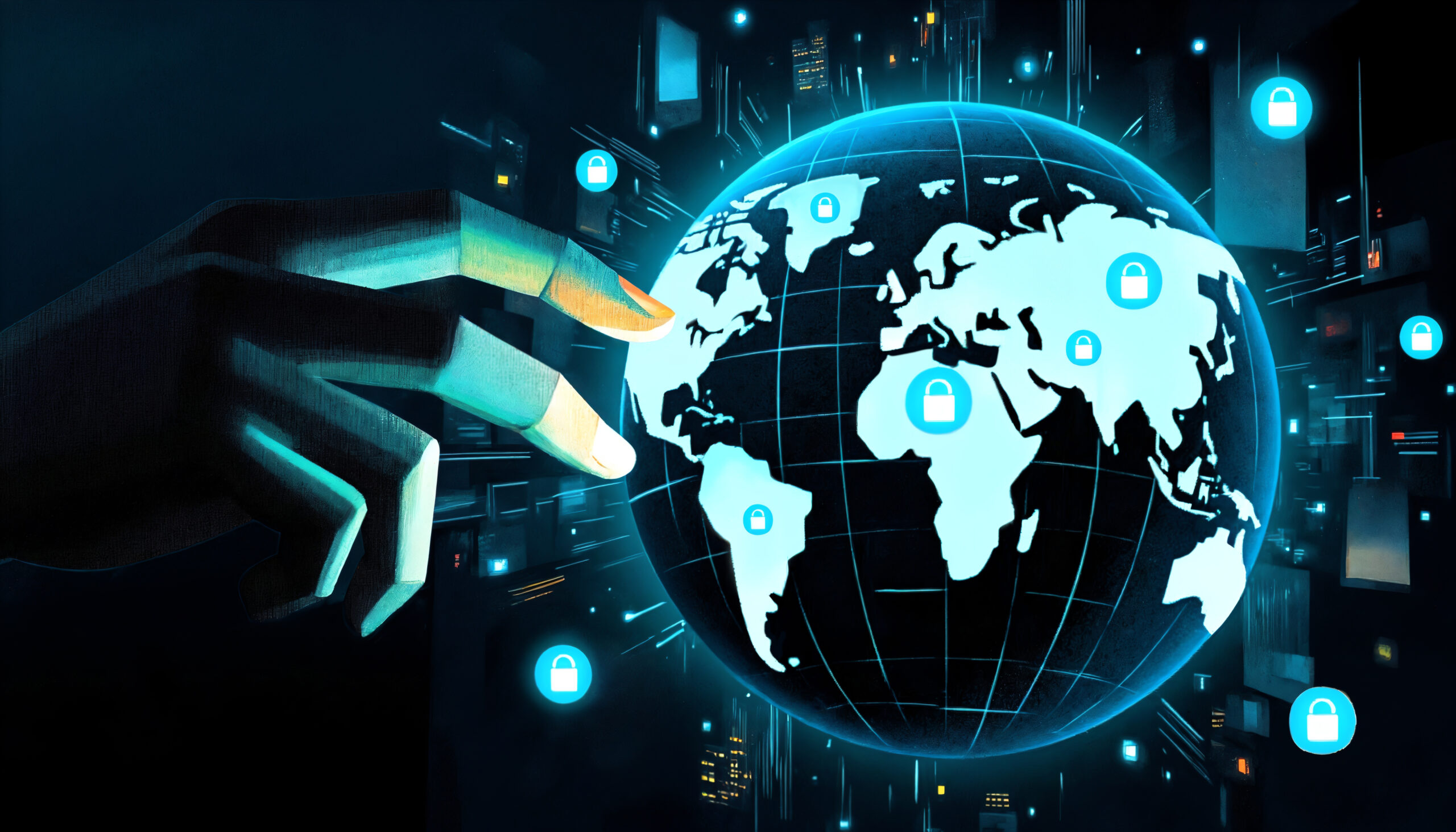
In today’s hyper-connected digital era, cyber security has become one of the most critical pillars of modern society. From individuals and small businesses to multinational corporations and governments, everyone relies heavily on digital systems. This dependence has created unprecedented opportunities—but also serious vulnerabilities. Cyber security is no longer optional; it is a fundamental necessity.
The rise of cloud computing, mobile devices, social media, and Internet of Things (IoT) technologies has expanded the digital attack surface. Every connected device is a potential entry point for cybercriminals. Hackers exploit weak passwords, outdated software, and human errors to gain unauthorized access to systems. Once inside, they can steal data, disrupt operations, or demand ransom.
One of the most common cyber threats today is phishing. Cybercriminals send deceptive emails or messages designed to trick users into revealing sensitive information such as passwords or credit card numbers. These attacks have become increasingly sophisticated, often mimicking legitimate organizations. Even well-trained users can fall victim, highlighting the importance of continuous awareness and education.
Malware is another major concern. This includes viruses, worms, trojans, spyware, and ransomware. Ransomware attacks, in particular, have surged in recent years. Attackers encrypt critical data and demand payment for its release, often crippling businesses and healthcare institutions. The financial and reputational damage caused by such attacks can be devastating.
Cyber security is not just about technology—it also involves people and processes. Many breaches occur due to human negligence, such as using weak passwords or falling for social engineering attacks. Organizations must implement strong security policies, conduct regular training, and foster a culture of security awareness.
Governments around the world are also prioritizing cyber security. Critical infrastructure such as power grids, transportation systems, and healthcare networks are increasingly targeted by cyber adversaries. A successful attack on these systems could have catastrophic consequences, making national cyber defense strategies essential.
As technology evolves, so do cyber threats. Artificial intelligence and machine learning are now being used by both defenders and attackers. While security teams use AI to detect anomalies and predict threats, cybercriminals leverage it to automate attacks and evade detection. This ongoing arms race makes cyber security a constantly evolving field.
In conclusion, cyber security is a shared responsibility. Individuals must practice safe online habits, organizations must invest in robust security frameworks, and governments must enforce strong cyber laws. In a world where digital trust is essential, cyber security stands as the guardian of our digital future.